Land your dream data analyst role with Data Analyst Resume Templates
ATS Friendly
Professional
Customizable Templates
Build your data analyst resume with our free ATS-friendly templates that highlight your analytical skills, technical expertise, and help you get your dream data role faster.


540k+
resumes created








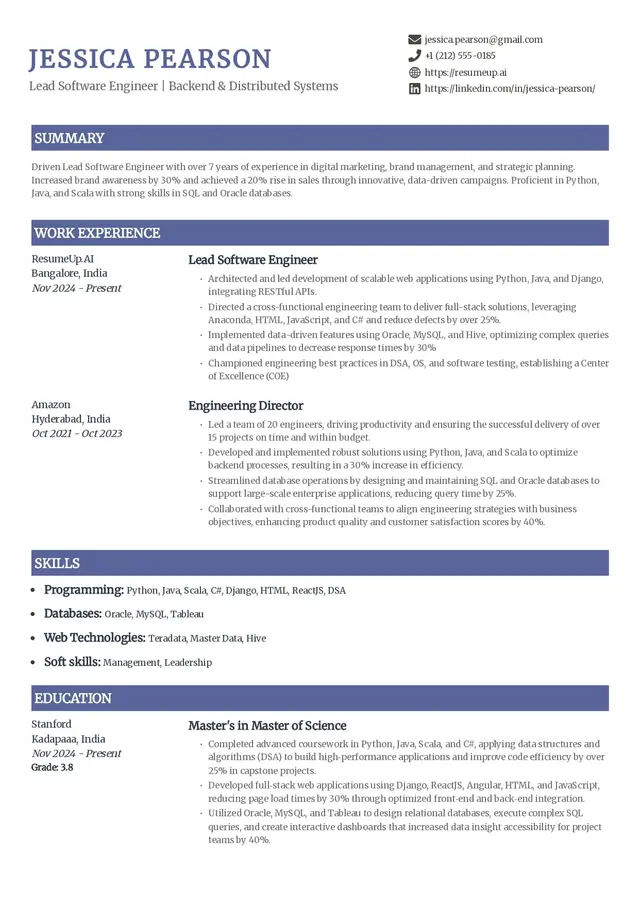
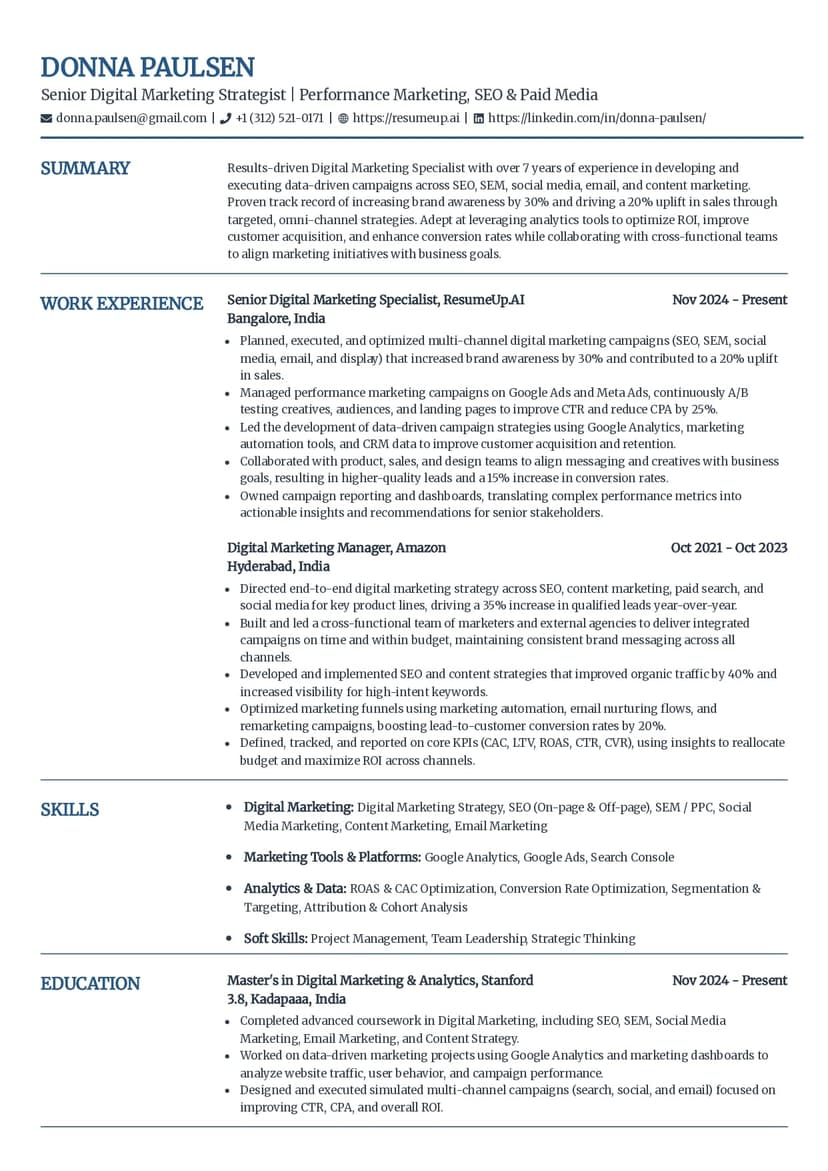
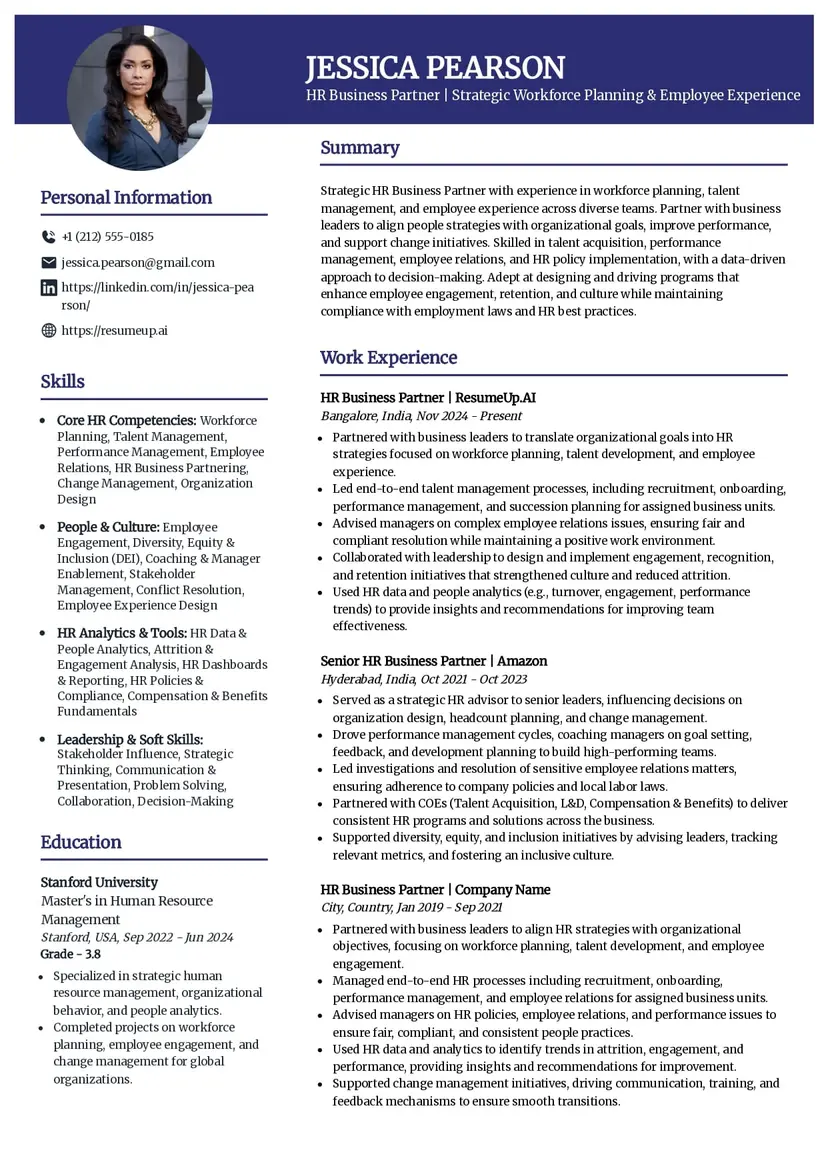
Best Data Analyst Resume Templates To Customize and Download
Browse our collection of professional, modern, and ATS-optimized data analyst resume templates designed by industry experts to help you stand out and land more interviews. Just pick the right template, edit and download your resume.
All

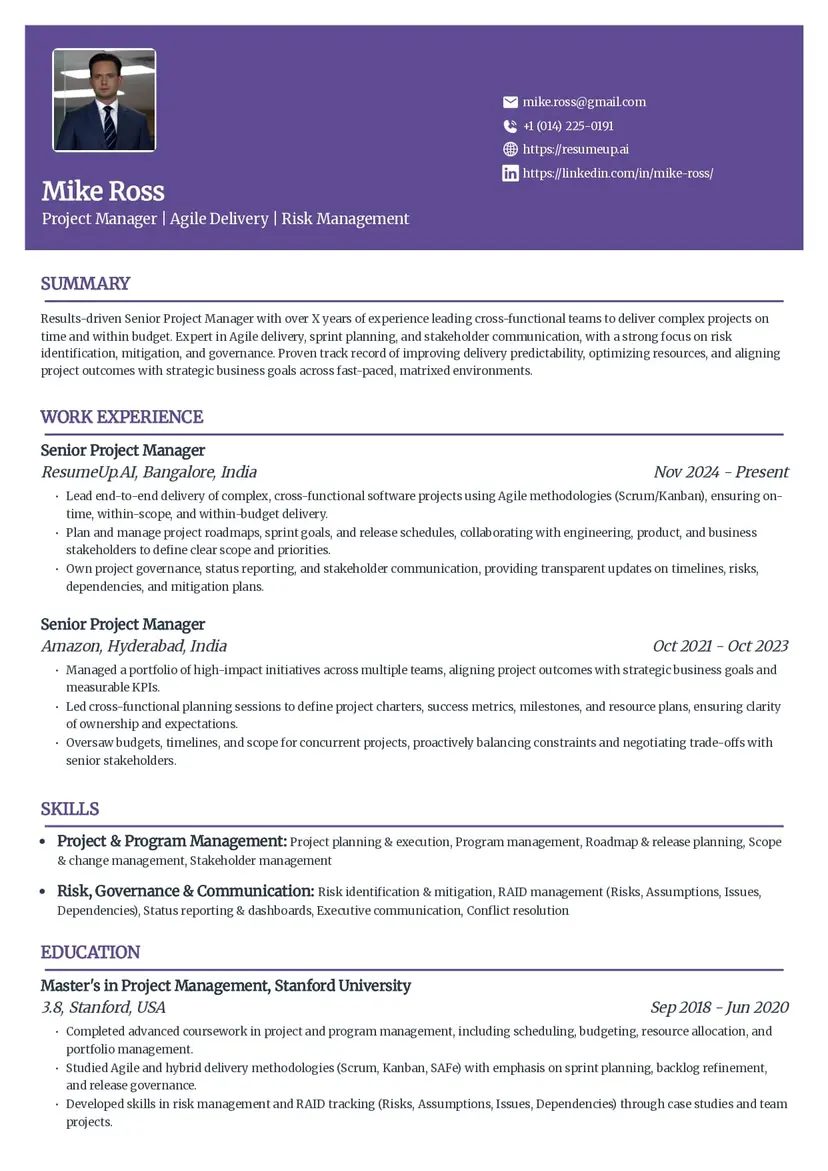
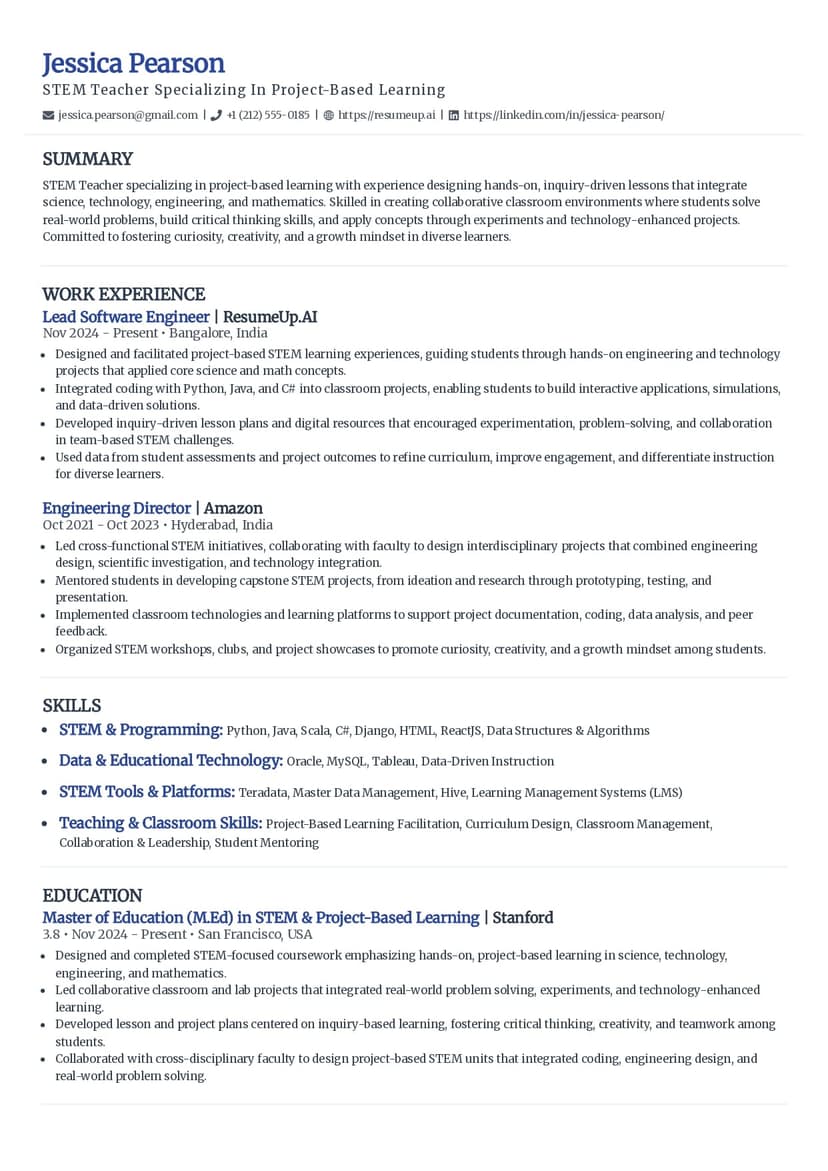
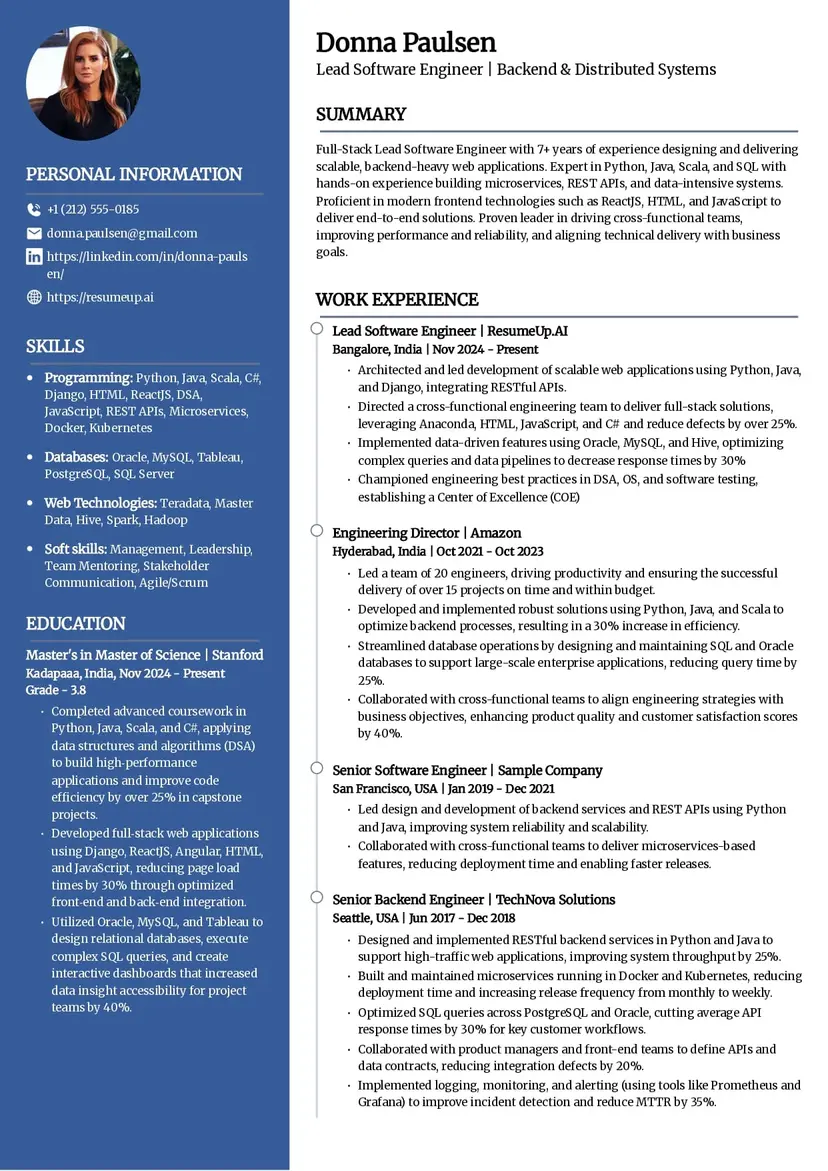
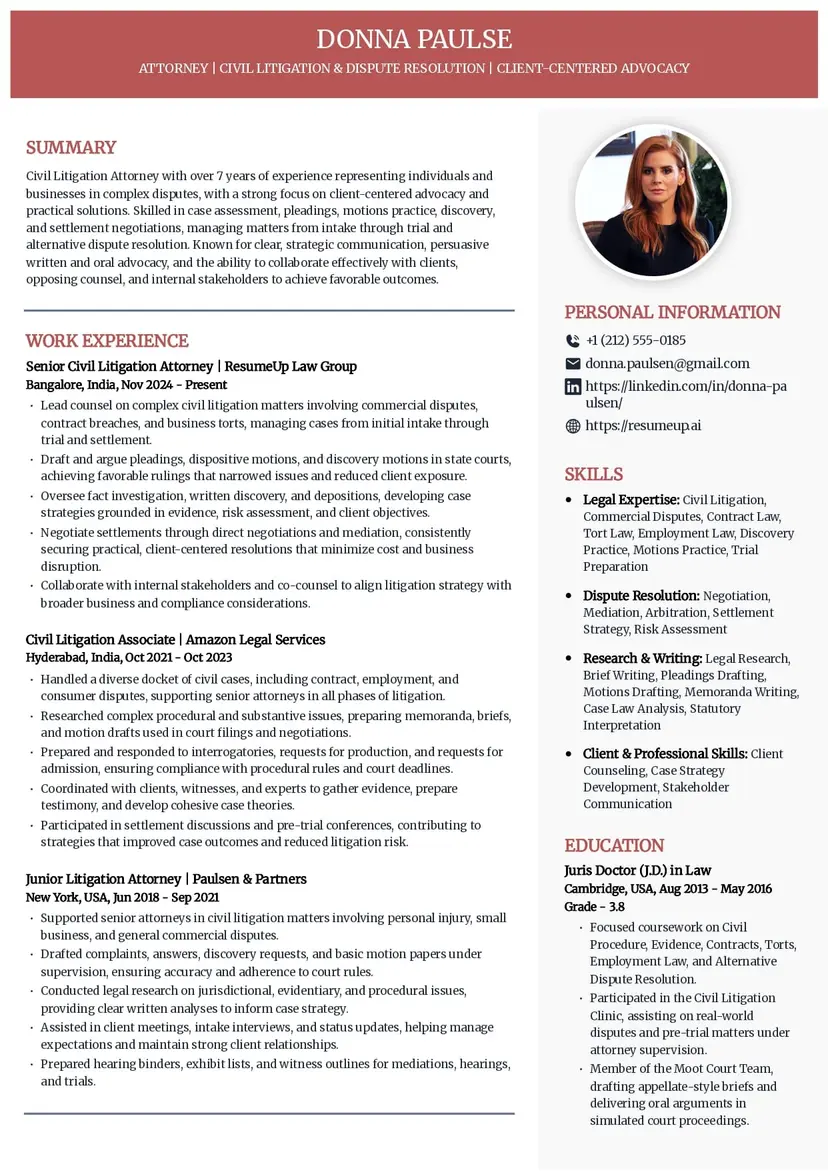
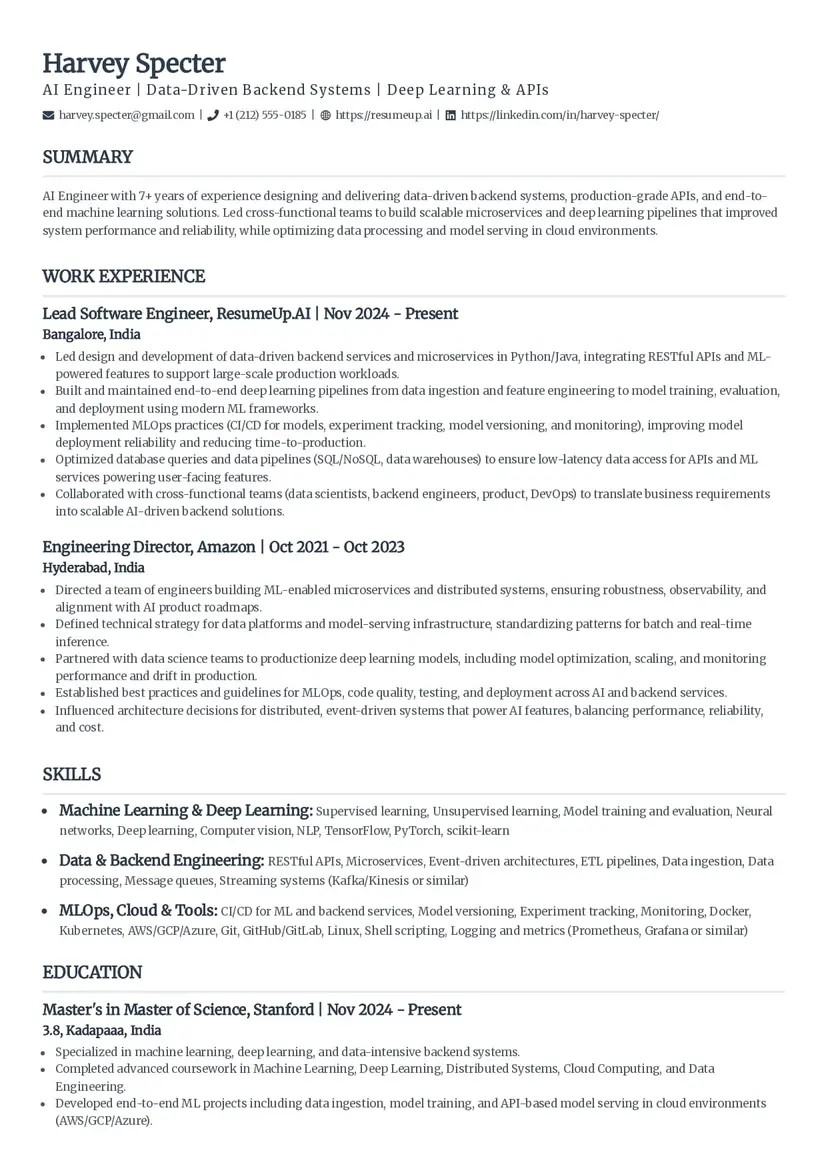
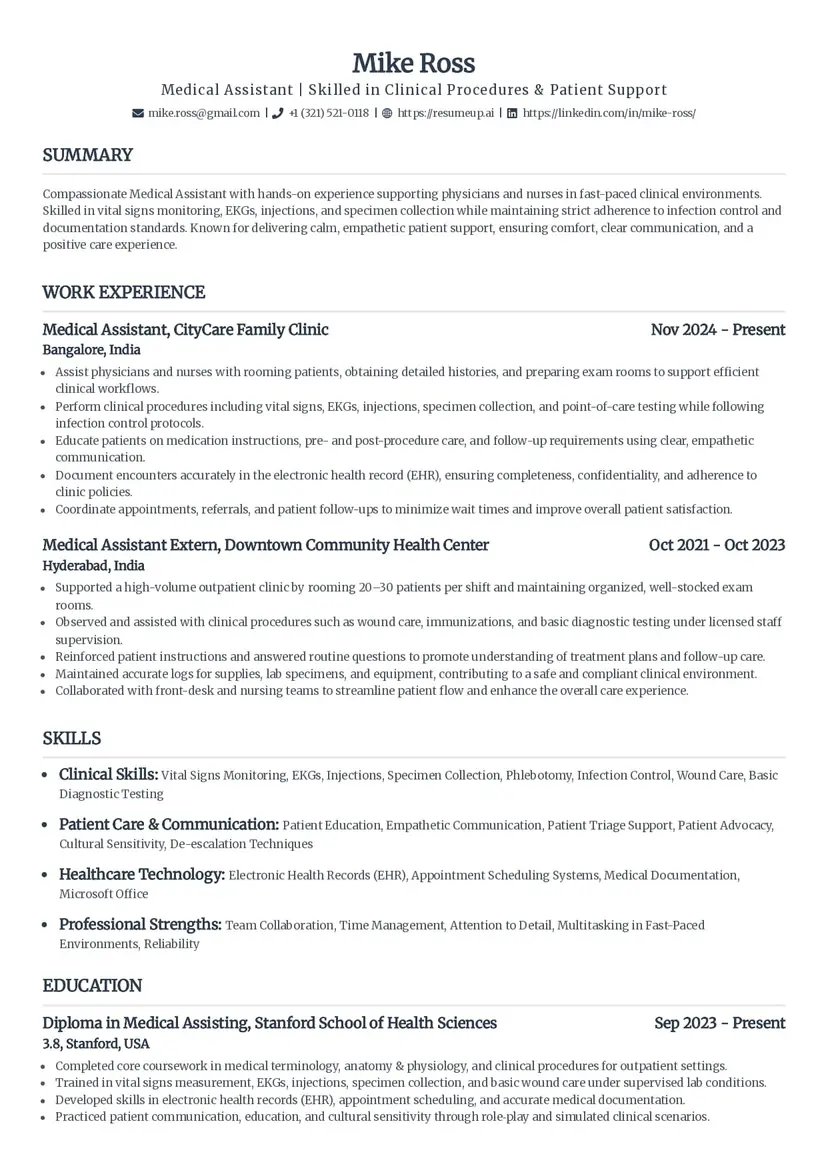
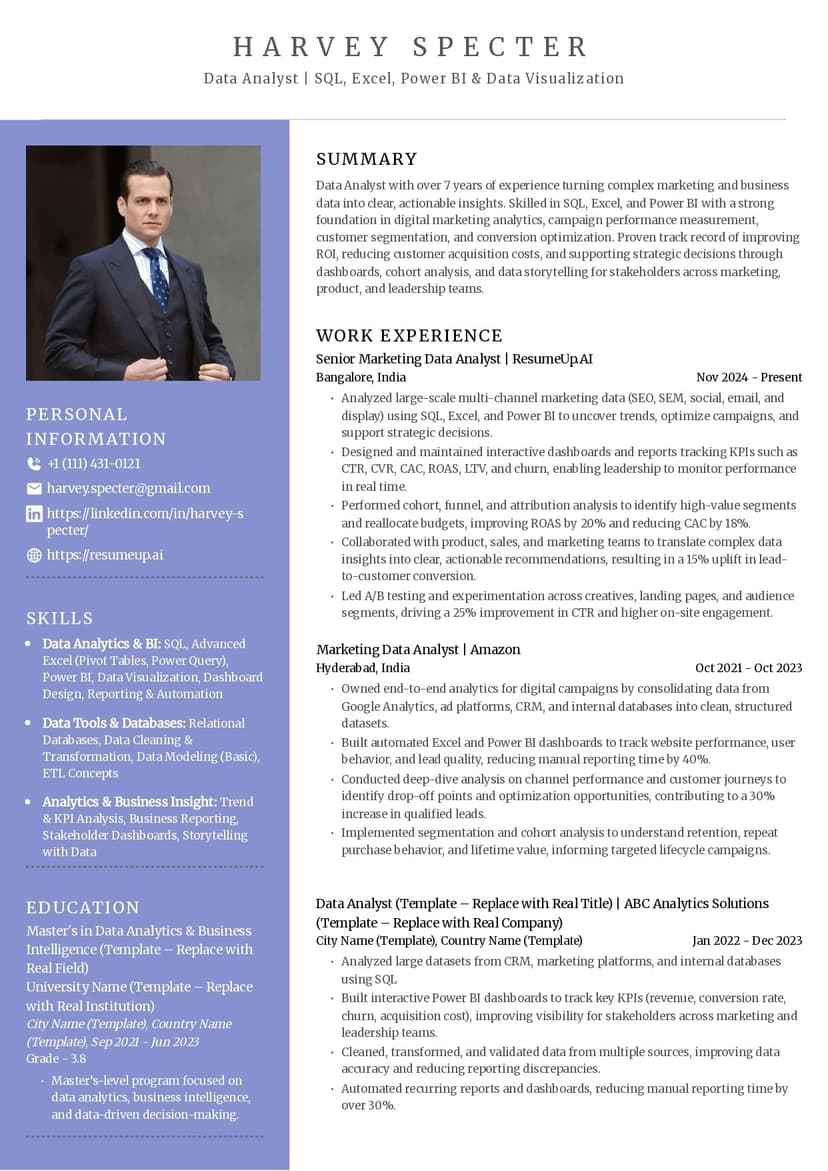
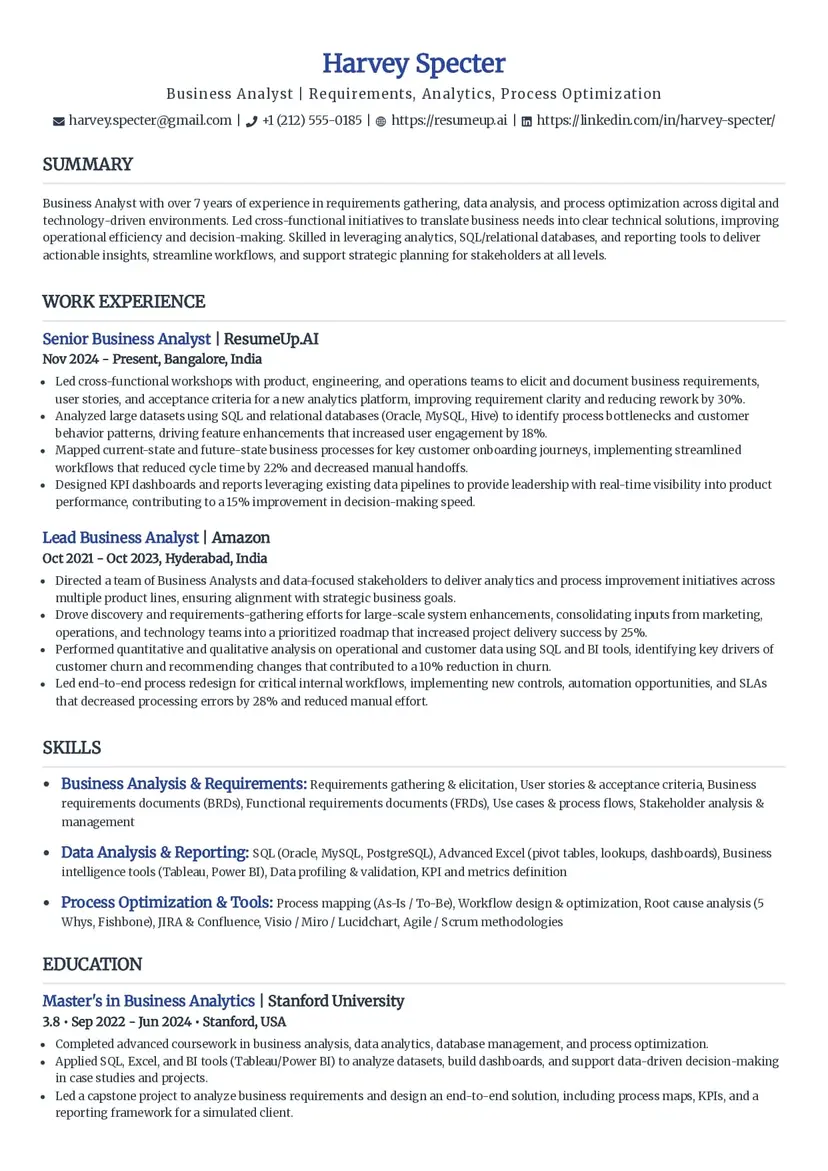
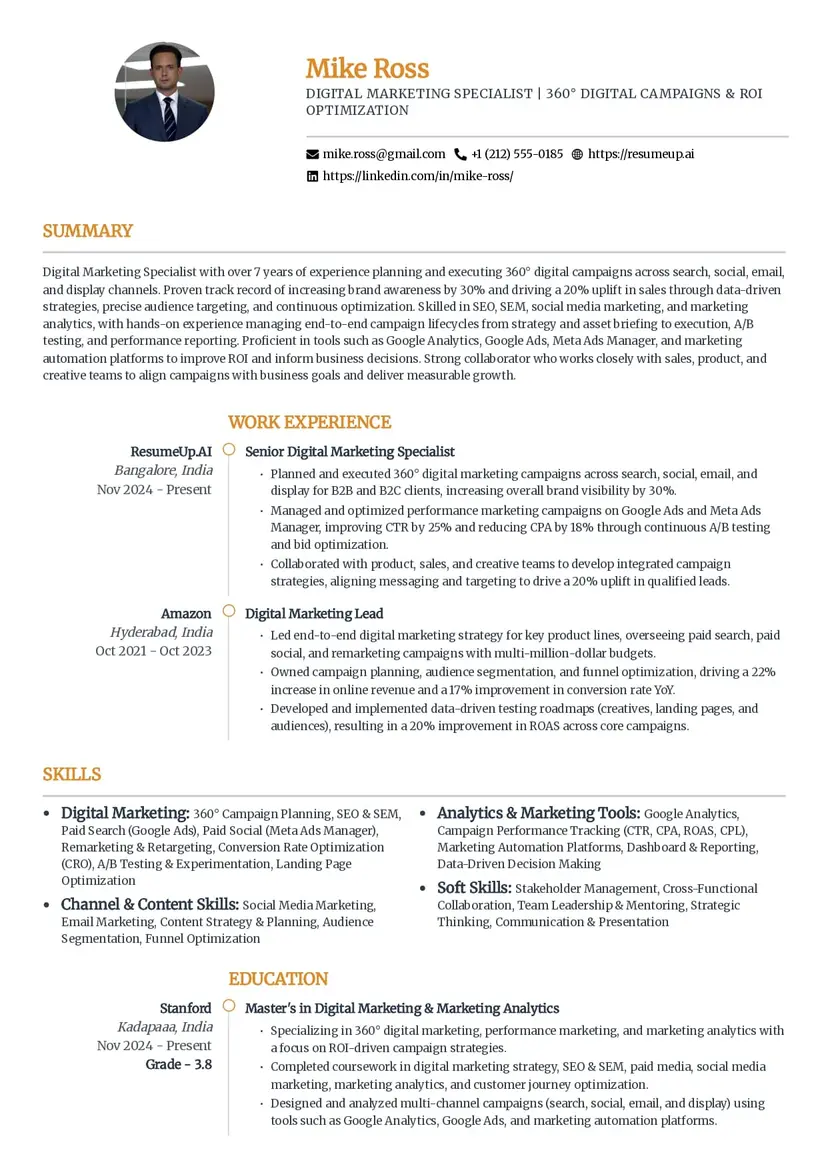
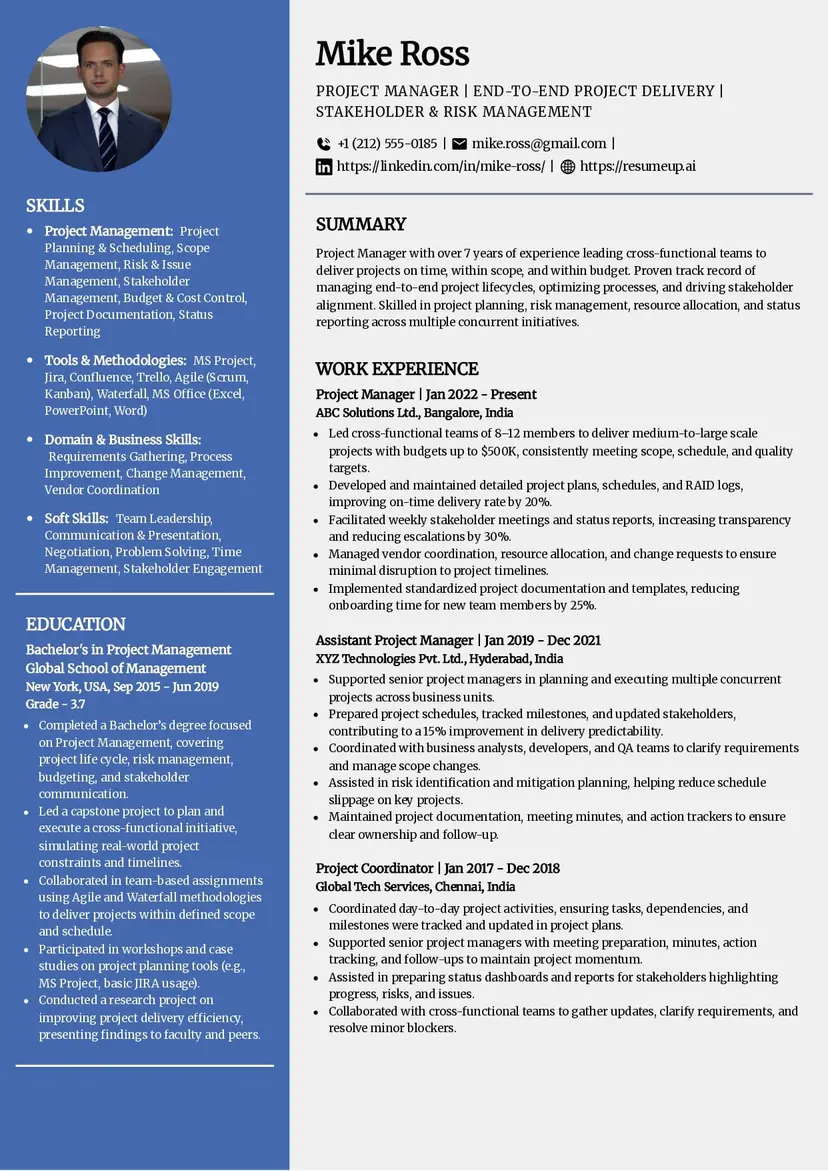
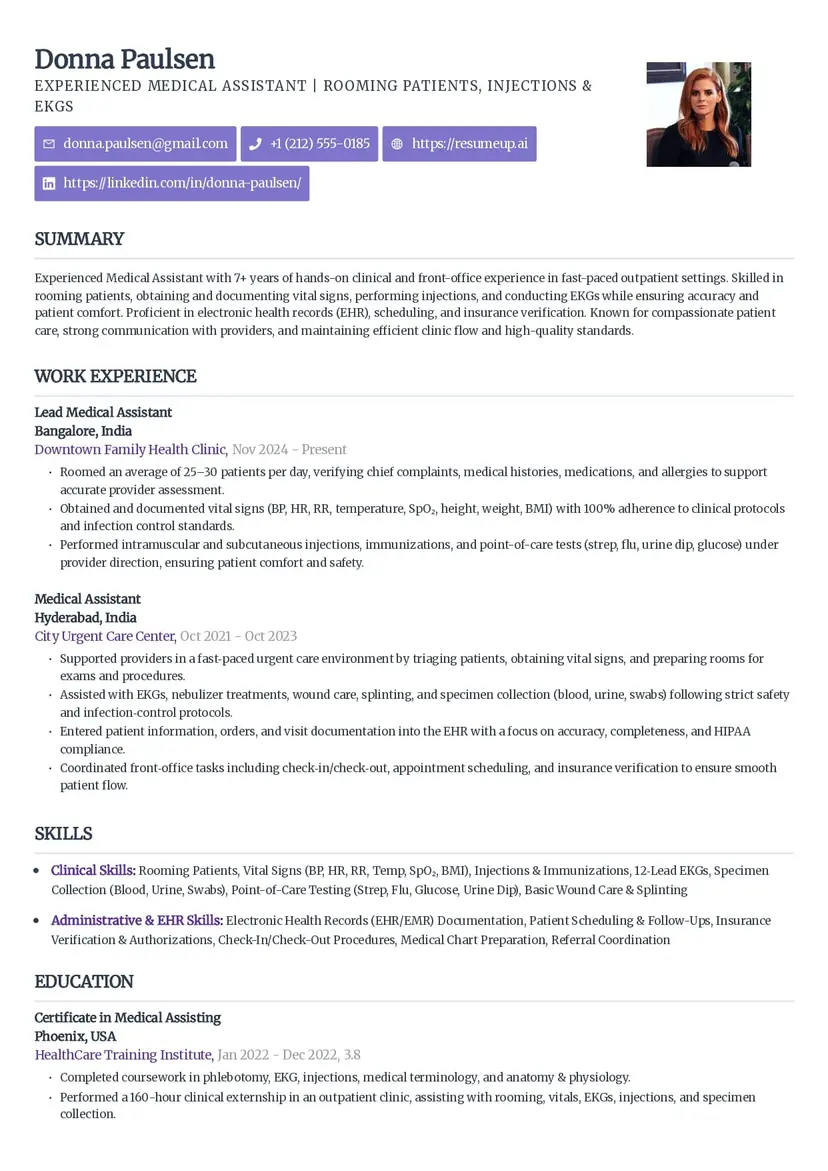
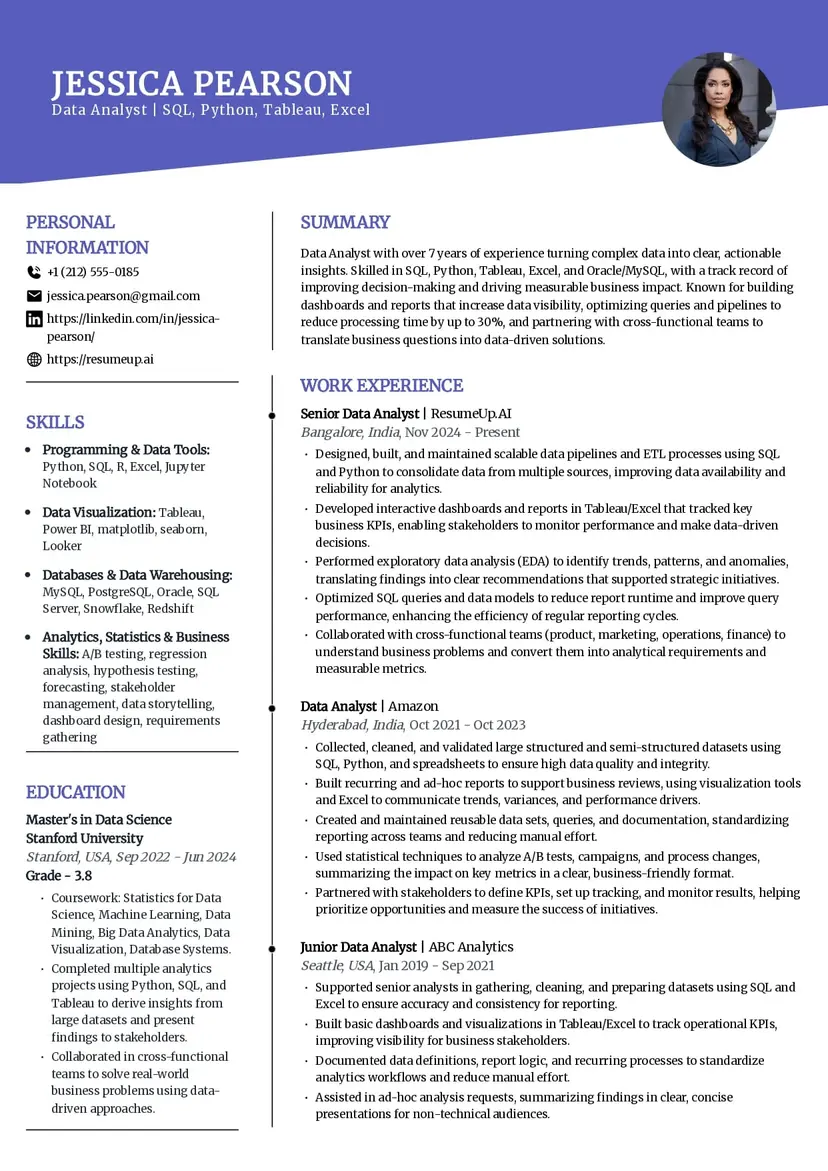
To lay a strong foundation for your journey towards becoming a data analyst, focus on your resume should be considered before everything. Through this article, we will let you understand every tiny detail of crafting a standing-out data analyst resume whether you are a fresher or experienced or on a mid-level.
Following answers by around 15 hiring managers for what they indeed look for in a data analyst resume, the following is what we have got:
Format
Header
Professional Summary
Skills section
Experience
Projects
1. Start with a Powerful Data Analyst Resume Summary
Selecting the right format, depending on what you wish to prioritize, skills, or experience, is the first step. The formats can be termed reverse chronological order and functional/Skills format. Reverse chronological order stresses the recent relevant work experience and the functional format focuses on the experience.
2. Header for a Data Analyst Resume
The header is the first thing that appears on your resume. First impressions decide the interest in the resume. So your header should not include unnecessary details and should contain adequate details that an employer should not have to request for a detail. You should include the following things:
Full name
Contact address
LinkedIn/ Indeed profile URL
Portfolio/Github
Any more details added will irritate the viewer. Ensure your profiles are updated with relevant posts and descriptions for data analysis and that your portfolio consists of data analysis-related projects.
3. Start with a Powerful Data Analyst Resume Summary
It is a standard view that hiring managers usually take only a few seconds to evaluate your resume. In these few seconds, the most probable option for them to assess is your "resume summary."
You must and should display a strong professional summary or else your resume will be put on hold.
What is a Resume Summary?
A resume summary used interchangeably with a professional summary, is a short description of your introduction, skills, experience, and qualifications at the top of the resume. It provides an overall view of your resume in a shot and keeps the employers engaged.
It allows the employer to gain insights into your competency for the role in just a few seconds. The main goal of a resume summary is to give concise and clear details of your skills, qualifications, and experience.
How to Write a Compelling Data Analyst Resume Summary (with Examples)
It is the professional summary that decides if your resume is worth analyzing further. So to create a compelling data analyst resume summary is to engage the recruiter. To do so, the summary should convey the suitability for the effectively in just a few sentences and should persuade the reader of your competency.
Start with the professional role name. For example, "Data analyst…"
Mention your experience in this field and also tell about specific and relevant fields you are experienced in. For example, "with an experience of over 5 years in data analysis."
Highlight only relevant and key skills that you possess. For example, "mastery in SQL, power, and Tableau…"
Demonstrate achievements. Use quantification, For example, "reduced data processing time by 35%..."
Talk about your goals and what you are looking for in the next company. Like, "seeking to apply my profound knowledge and contribute to the organization's growth."
To make it easier to understand, go through the examples below:
Entry-level Data Analyst
Recent graduate with a degree in data science with practical experience in data collection, extraction, and transformation. Proficient in SQL, Python, and data visualization tools like PowerBI. Successfully completed a project involving the management and organization of large datasets and their transformation. Looking enthusiastically to utilize and improve my skills and contribute to the growth of an organization.
Motivated enthusiastic entry-level data analyst with a strong academic background in the degree of data science. Expertise in Python, SQL, and Tableau. Dedicated work towards various projects that involved processing and interpreting data to provide valuable insights. Eagerly looking to put forward my skills to increase business growth and organizational success.
Mid-Career Data Analysts
Experienced data analyst with 3+ years of domain expertise in statistical analysis and predictive analysis. Skilled in Python, Excel, and Tableau to extract data and provide insights. Mastery in data extraction and modeling. Enhanced data accuracy by 20% by reducing data errors by 15%. Recognized for supporting data-driven decision-making processes.
Analytical data professional with over 5 years of experience in producing valuable outputs in data visualization, data models, and dashboards. Proficient in Python, R, and data visualization tools like PowerBi. Proven track record in driving actionable insights that enhance operational efficiency.
Senior Data Analysts
Accomplished data analyst with 8+ years of experience in data extraction, predictive modeling, and statistical analysis. Expert in transforming data into strategic assets and in-depth analyses. Mastery in Python, R, Tableau, and PowerBI. Established history of working on cross-functional projects that drove business growth by 20%.
Seasoned data analyst possessing 7 years of experience in applying analytical techniques to resolve complex business problems. Expert in R, Tableau, and SQL. Adept at leading data-driven projects, providing improving insights, and developing predictive models. Significantly contributed to improving marketing campaign ROI by 15%. Led analytics initiatives that improved forecast accuracy by 18%.
Keywords to Include in Your Summary
You must have known the importance of "keyword" in CVs by now. Applicant Tracking System (ATS) searches for certain keywords to promote your resume. So writing your description, though in a detailed explanation alone, does not crack the code. Keywords are a vital part of any content.
Here is a list of keywords you can include in your data analyst resume summary to optimize it:
Data Analyst Summary
Data Analytics Resume Summary
Resume Summary for Data Analyst
Data Analysis Expertise
Analytical Skills
SQL Proficiency
Data-Driven Insights
Data Visualization Skills
Predictive models
Data-driven strategies
Advanced-Data Analytics
Business Intelligence Expertise
R Programming for Analytics
Dashboard Development
Data Modeling and Analysis
Cross-Functional Data Projects
Big Data Solutions
Statistical Analysis Techniques
ETL Processes
Predictive Analytics Experience
Python for Data Analysis
Reporting and Documentation
Data Management and Governance
KPI Tracking and Analysis
Machine Learning Applications
Trend Identification
Strategic Data Recommendations
4. Highlight Your Data Analyst Work Experience
How to Structure Your Work Experience Section
Properly structuring your work experience section is crucial to present the details effectively.
Start with the job title such as Data Analyst, Senior Data Analyst, etc.
Specify the company name. Also, include the location details of the company. For instance, ABC Solutions, London, UK.
Mention your dates of employment. It will let the hiring manager know no. of years you have been consistent in a place. Like, October 2018 - September 2023.
Highlight your achievements and works. Use bullet points to neatly organize. Explain all the responsibilities you took and your accomplishments.
Use strong action verbs. This will strengthen the bullet point. Start using verbs like improved, led, implemented, executed, etc.
Quantify your contributions. Use metrics and statistically represent your work and the success that you have contributed towards. For example, "increased operational efficiency by 15%."
Tailor the section to the job description. Your work experience and history should be relevant to the data analysis and the demands given in the job description.
Data Analyst Resume Work Experience Examples
Entry-level
Data Analyst Intern
XYZ Analytics, San Francisco, CN
October 2023- February 2025
Assisted in data extraction and transformation processes.
Conducted basic data tests to arrive at useful insights
Contributed to improving data accuracy by 15%
Worked with senior data analysts and gained practical experience.
Mid-level
Junior data analyst
ABC Solutions, London, United Kingdom
June 2019- February 2023
Developed interactive dashboards and visualizations using PowerBI
Implemented analysis of complex data sets using R and Python
Automated reporting tasks to facilitate timely share of insights
Contributed to reducing error rates by 10%
Senior Level
Principal Data Analyst
XYZ Analytics, Boston, MA
March 2012- July 2022
Led the execution of data strategies that produced a 25% increase in operational efficiency
Headed various large-scale data projects
Implemented advanced analysis techniques to output predictive models and advanced dashboards
Guided and mentored junior analysts and made progress in the projects
Tips to Quantify Your Achievements (Using Metrics)
To quantify your achievements using metrics to showcase the impact you made is to guarantee the recruiter your excellent performance in the data analyst role.
Show the performance improvements like "increased forecast accuracy by 20% and reduced inventory expenditures by 10%."
Quantify the reduced budget through your work. For instance, it"boosted the revenue by 17% through predictive analysis and analyzing inefficiencies in the data."
Showcase data-driven decisions. For example, "facilitated data-driven decisions leading to 25% reduction in production costs."
Talk about the size of the dataset. For example, "handled a dataset with over 50 million transaction records, reducing processing time by 18%."
Quantify your projects. Like, "led over 5+ data analysis projects with successful outcomes."
Action Verbs and Metrics for a Strong Experience Section
As mentioned in How to Structure Your Work Experience Section, you must use strong action verbs to strengthen the esteem of your work history.
Analyzed, "Analyzed complex and large datasets using SQL and Python that reduced operational costs by 18%."
Led,"Led many cross-functional teams that helped in achieving 17% market share."
Implemented,"implemented automated data cleaning processes…"
Optimized,"optimized data pipeline workflows, facilitating the availability of data for business purposes."
Developed,"Developed advanced dashboards and data extraction strategies or improved efficiency."
Enhanced,"Enhanced data accuracy by refined error-detection mechanism that reduced data errors by 10%."
Managed,"Managed a team of 15 in implementing new processes for data validation."
Facilitated,"Facilitated training to the junior analysts and teams."teams."
5. Showcase Your Technical Skills
Data Analyst Skills to Include in Your Resume
Considering both hard skills and soft skills required for a data analyst, let us list them out:
Hard skills
1.Data Analysis tools
SQL
Python
R
Excel
2.Data Visualization
Power BI
Tableau
Matplotib
Seaborn
3.Database Management
MySQL server
NoSQL
4.Statistical Analysis
Hypothesis testing
Predictive analysis
Regression Analysis
5.Big Data Technologies
Spark
Hadoop
6.Machine-learning
TensorFlow/PyTorch
Scikit-Learn
7.Data Warehousing
BigQuery
Snowflake
Redshift
8.Cloud Platforms
AWS
Azure
Google Cloud
Soft skills
Problem-solving
Attention to detail
Adaptability
Communication skills
Time management
Critical thinking
Teamwork
Business acumen
Presentation skills
Project management
Leadership
Collaboration
Tailoring Skills to the Job Description
To align the skills to the job description:
Use keywords that are present in the job description.
Prioritize your skills based on the job description.
Use terms exactly as they are used in the job listing.
Include both hard skills and soft skills.
Quantify your skills in the experience skills.
Examples of Skills for Data Analyst Resume (With Keywords)
Advanced-Data Analysis and Reporting
R Programming for Statistical Computing
ETL processes for Data Extraction and Transformation
SQL Querying
Database Management (MySQL, PostgreSQL)
Data Visualization using Tableau and Power BI
Pattern Recognition
Data Mining
Python Programming for Data Manipulation
Statistical Analysis
Hypothesis Testing
Analytical Problem-Solving using Data-Driven Insights
Cross-Functional Team Collaboration
Automated Report Generation
Excel Automation
Data cleaning using Python (Pandas)
Data Wrangling using Python (Pandas)
Predictive Analysis
Regressive Forecasting
Machine Learning Algorithms
Cloud analytics (AWS, Azure)
Big Data Processing (Hadoop, Spark)
6. Include Relevant Projects and Certifications
Projects show how well you can apply your knowledge in the real world. Certifications vouch for your competency.
Show Off Your Projects (Especially for Entry-Level Resumes)
For entry-level candidates, showcasing a strong expertise in data analysis can be possible through projects, and internships only. As a fresher, you do not have any professional industrial experience. So through projects and internships, you can demonstrate your practical knowledge to prove your capabilities. In this way, you can build the trust of the employer.
So, it is highly recommended and announced essentially that in a data analytics resume for freshers, university projects, and internships must be demonstrated to strengthen the resume. Some projects related to data analysis are:
Retail sales analysis
Website traffic analysis
Employee Attrition Prediction Analysis
Social Media Sentiment Analysis
Certifications to Add to Your Resume
Data analyst certifications for a resume vouch for your skills and expertise in data analytics. Some data analytics certifications on resume that can add value when included are given below:
Google Data Analytics Professional Certificate
Microsoft Excel Certification
SQL Certification (from Oracle or Microsoft)
Tableau Certification
Microsoft Power BI Certification
These are a few standard certifications that add value to your resume as they cover most of the useful skills required in data analytics, and these demonstrate your expertise. Adding such certifications will highlight your commitment to learning.
7. Education and Courses
Where to Place the Education Section (Depending on Experience)
Where you place your education section varies by your experience.
Entry-level
For entry-level candidates, it is recommended to place the education section at the top since these candidates lack professional experience. Education can compensate for industrial experience to a small extent. So it is advised for freshers to include an education section at the top.
The order goes like this:
Contact information
Professional Summary
Education
Skills
Projects
Certifications
Mid-level
If you are a mid-level data analyst with 2-5 years of experience, then place the education section after work experience. This is because your practical knowledge matters more since you already work in the industry.
The order goes like this:
Contact information
Professional Summary
Experience
Education
Skills
Certifications
Projects (optional)
Senior-level
For a senior-level data analyst with over 5 years of experience, it is advised to place the education section at the end of the resume because the education details are not as important as your accomplishments and work history. After all, you have been working in the industry for a long time.
The order goes like this:
Contact information
Professional Summary
Experience
Skills
Certifications
Education
Projects (optional)
Highlight Relevant Coursework and Degrees
Since freshers have very limited practical experience, they can add relevant coursework that highlights their skills, and experienced data analysts can list their certifications and degrees.
Freshers can mention relevant coursework in their education section (at the top) along with their academic projects.
Experienced data analysts should concentrate more on certifications and skills because their education details are not very important here. So they can list down their certifications and degree details in their education section at the bottom.
Example education sections:
For a fresher,
Bachelor of Science in Data Analytics,
University name, City, State
Graduation Date
Relevant Coursework: Data Visualization, Statistical Analysis, Data Modeling, and Data Mining.
Academic Projects:
Sales data analysis: Used Python to analyze historical sales trends.
Customer Segmentation: Used K-means clustering algorithm to separate customers based on buying behaviors.
For an experienced candidate,
Bachelor of Science in Data Analytics,
University name, City, State
Graduation Date
Certifications:
Google Data Analytics Professional Certificate (date)
Microsoft Certified Data Analyst Associate(Power BI) (date)
Data Analyst Resume Keywords to Beat ATS Systems
At the top of everything, your resume should pass through the ATS. If it doesn't, then what is the point in understanding about further processes? So, to pass through ATS, it is crucial to understand its mechanism.
ATS filters out unqualified resumes by checking if they meet specific criteria. One such criterion is "keywords". If specific keywords that the employer has fed into ATS match with any of those in the resume, then that resume has passed a step. If not, the resume will be disqualified. Another criterion is qualifications. Your resume will be ranked based on the keywords and qualifications.
Optimize Your Resume with the Right Keywords
Some of the keywords that are most searched for on a data analyst resume are:
data analysis skills resume
data analytics resume objective
Tools and technologies
Python
SQL
R
Tableau
Power BI
Excel
Google Analytics
Jupyter Notebooks
Apache Spark
Microsoft Power Query
ETL (Extract, Transform, Load)
Data-Related Skills
Data Interpretation
Data Visualization
Data Modeling
Data Manipulation
Data Cleaning
Data Mining
Data Wrangling
Data Transformation
Predictive Analytics
Descriptive Analytics
Prescriptive Analytics
Analysis Techniques
Forecasting
A/B Testing
Forecasting
Regression Analysis
Variance Analysis
Cluster Analysis
Time Series Analysis
Correlation Analysis
K-Means Clustering
Multivariate Analysis
Insights
Reports
Performance Metrics
Storytelling with Data
Business Intelligence (BI)
Reporting Automation
Dashboards
Data-Driven Insights
Trend Analysis
KPI (Key Performance Indicators)
Soft Skills
Attention to Detail
Problem-Solving
Project Management
Communication Skills
Collaboration
Critical Thinking
Stakeholder Management
Project Management
Common phrases
Optimize data processes
Analyze data sets
Interpret data insights
Identify trends and patterns
Develop reports and dashboards
Generate data-driven solutions
Collaborate with cross-functional teams
Tailor Your Resume for Applicant Tracking Systems (ATS)
To pass through ATS, you should follow a proper format and structure the resume. The proper structure and format are discussed below:
Prefer crafting the resume as a simple Word file or PDF file. Highly formatted PDFs may not be parsed effectively.
The font also matters. The font style and size also contribute to the resume's outlook and keep the employer engaged.
Use standard terms that are commonly used in the industry by professionals.
Avoid using unprofessional headings. Use professional terms throughout the resume. For example, avoid 'My work life', you must write it as 'work experience.'
Do not use graphics, special symbols, or tables. ATS cannot recognize such characters. Let the text be plain and neat.
Match the terms from the resume to the job listing.
Separate the contents into sections and organize each section. Say, a professional summary consists of a paragraph of about 3-4 lines. Skills sections consist of all the relevant skills. In the work experience and skills sections, organize them into bullet points.
Use strong action verbs and bullet points for clear representation.
No images, charts, or graphs are placed on the resume.
Top Skills and Action Verbs for a Data Analyst Resume
List of Action Verbs to Use
Action verbs explain your action in the specific work and how the action was carried out.
Recommended
Analyzed
Interpreted
Developed
Optimized
Implemented
Evaluated
Extracted
Collaborated
Designed
Visualized
Streamlined
Automated
Validated
Monitored
Evaluated
Modeled
Assessed
Synthesized
Tested
Predicted
Hard Skills vs. Soft Skills
You need the whole package to impress the hiring managers. Technical skills alone or soft skills alone cannot complete this package. So technical skills and soft skills together mentioned in the resume will prove eligible and they must be relevant to the job description.
Technical skills are job-specific and these are the skills that are required for that specific job. Here, we need technical skills for data analysts, which means, skills that are dedicated to data analytics alone.
Soft skills are interpersonal skills that reflect your behavioral traits and facilitate easier interaction and workflow with others. Some examples are communication skills, time management, and negotiation.
Presenting technical skills
Technical skills can be demonstrated in a separate dedicated section. Also, highlight these skills in a professional summary to prove your worth at the very beginning, and mention them in the work experience section and project demonstrations.
Take a look at this part of a resume:
Technical skills
SQL querying
Python
R
Data Visualization Tools (Power BI, Tableau)
Excel (Advanced)
Data collection, extraction, and processing
Data Transformation
Professional Summary
Experienced data analyst with 3+ years of domain expertise in statistical analysis and predictive analysis. Skilled in Python, Excel, and Tableau for data extraction and providing insights. Mastery in data transformation and modeling. Enhanced data accuracy by 20% by reducing data errors by 15%. Recognized for supporting data-driven decision-making processes.
Work Experience
Analyzed complex and large datasets using SQL and Python.
Implemented data transformation techniques that resulted in a 12% reduction in data errors.
Developed advanced dashboards and improved insights by PowerBI.
In this way, you can present your technical skills in these sections.
Presenting soft skills
While listing soft skills, you should focus on integrating them throughout the resume rather than sticking to only listing them under the skills section.
Along with the demonstration of technical skills in professional summary, blend with soft skills also here and there, but only relevant ones.
For example,
Experienced data analyst with 3+ years of domain expertise in statistical analysis and predictive analysis. Skilled in Python, Excel, and Tableau for data extractionand providing insights. Mastery in data transformation and modeling. Enhanced data accuracy by 20% by reducing data errors by 15%. Recognized for supporting data-driven decision-making processes.
The above summary is sufficiently fit for a data analyst resume, but only if it has some soft skills, too.
Experienced data analyst with 3+ years of domain expertise in statistical analysis and predictive analysis. Skilled in Python, Excel, and Tableau for data extraction and providing insights. Adept at collaborating with teams and effectivelycommunicating complex data to clients. Enhanced data accuracy by 20% by reducing data errors by 15%. Recognized for supporting data-driven decision-making processes.
Work experience
Developed interactive dashboards to visualize metrics improving the decision-making process by 30%.
Analyzed complex datasets using R and used communication and presentation skills to clearly explain the insights to the client.
Demonstrated critical thinking to solve operational inefficiencies.
Conclusion
To apply all these tips trying to craft a perfect resume all by yourself is a time-consuming task. Don't worry, we have got you covered. Our templates provided in this article are designed by professionals.
Why choose our templates? Our templates provided here are easy to use and standard ones. These are time-saving and have helped in the selection of many users.
Here's to a smashing success!
Frequently Asked Questions
What are the essential skills for a data analyst resume?
Include both technical and soft skills in your data analyst resume. Technical skills for a data analyst include R, Python, Excel, and tools like Tableau, and Power BI, and proficiency in data cleaning and mining processes. Soft skills for a data analyst include communication abilities, critical thinking, and attention to detail.
How do I improve my data analyst resume?
A data analyst's resume can be enhanced to improve scores. Use an accurate format for the resume. Organize and structure all the sections carefully using bullet points. Use keywords exactly as mentioned in the job description. In a data analytics resume, action verbs like 'implemented', 'analyzed, and 'optimized' are expected to strengthen the experience. Quantify your achievements.
Should I include a summary or objective on a data analyst's resume?
If you are a fresher with limited experience, go for including objectives on your data analyst resume. For instance, "motivated recent graduate with a strong academic background eagerly seeking an opportunity to utilize my analytical skills using Python and R, and to contribute to decision-making for business growth." If you are an experienced data analyst, then mention summary as your summary provides a brief overview of your achievements and skills. Like, 'Experienced data analyst with 3+ years of experience in statistical and predictive analysis. Proficient in Tableau, Excel, and Python. Proven record of increasing data efficiency by 20% and reduction in data errors by 10%.'
What are additional Tips to Stand Out for a Data Analyst Resume?
Use Power Words to Make Your Resume Pop: You must use words that are standard, professional, and resonate with the hiring managers. As discussed in the above sections, use certain keywords, action verbs, and quantifications to stand out. Incorporating all these steps into your data analytics resume will establish credibility with the employer. Avoid Common Resume Mistakes: Common mistakes that expand beyond data analytics resume, to any resume in general are Wrong spellings, Grammatical mistakes, Improper format, Providing irrelevant skills and experience, Overwriting, Sticking to hard skills alone, leaving out soft skills, Unprofessional email address, Weak overall presentation,
Explore Our Tools
Discover a variety of tools to enhance your productivity and streamline your workflow.